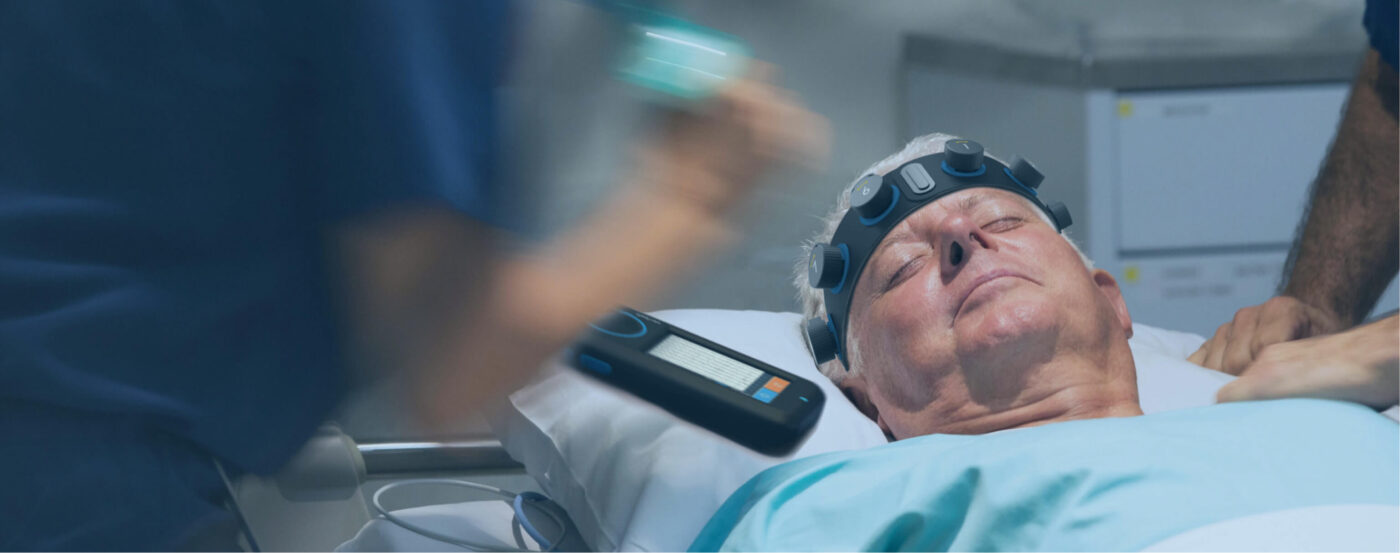
Brain Monitoring as Easy as Cardiac Monitoring
Transform patient care in the ICU with rapid brain monitoring at the bedside that detects seizures, monitors for delirium, and minimizes the risk of misdiagnosis.
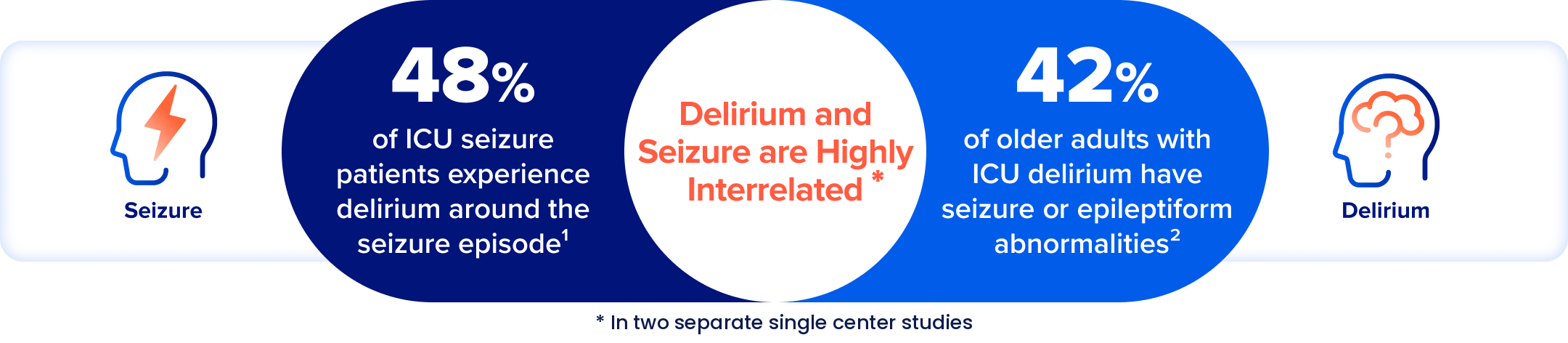
A Clinical Overlap
Hypoactive delirium and non-convulsive seizures can be clinically indistinguishable, though treatment approaches differ, making brain monitoring an important tool to help differentiate between them.
Seizures
The Impact of Early Assessment with Ceribell

shorter median ICU length of stay with Ceribell vs. conventional EEG3

more patients from the Ceribell ICU cohort had better neurological outcomes*3
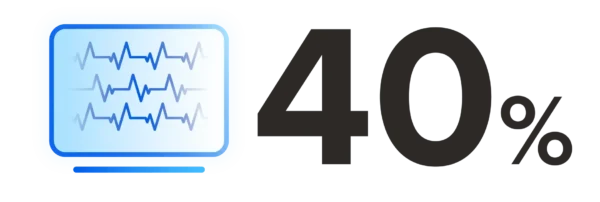
cases in which diagnostic suspicion changed4
Non-convulsive Status Epilepticus is a Neuro-Emergency in Acute Care
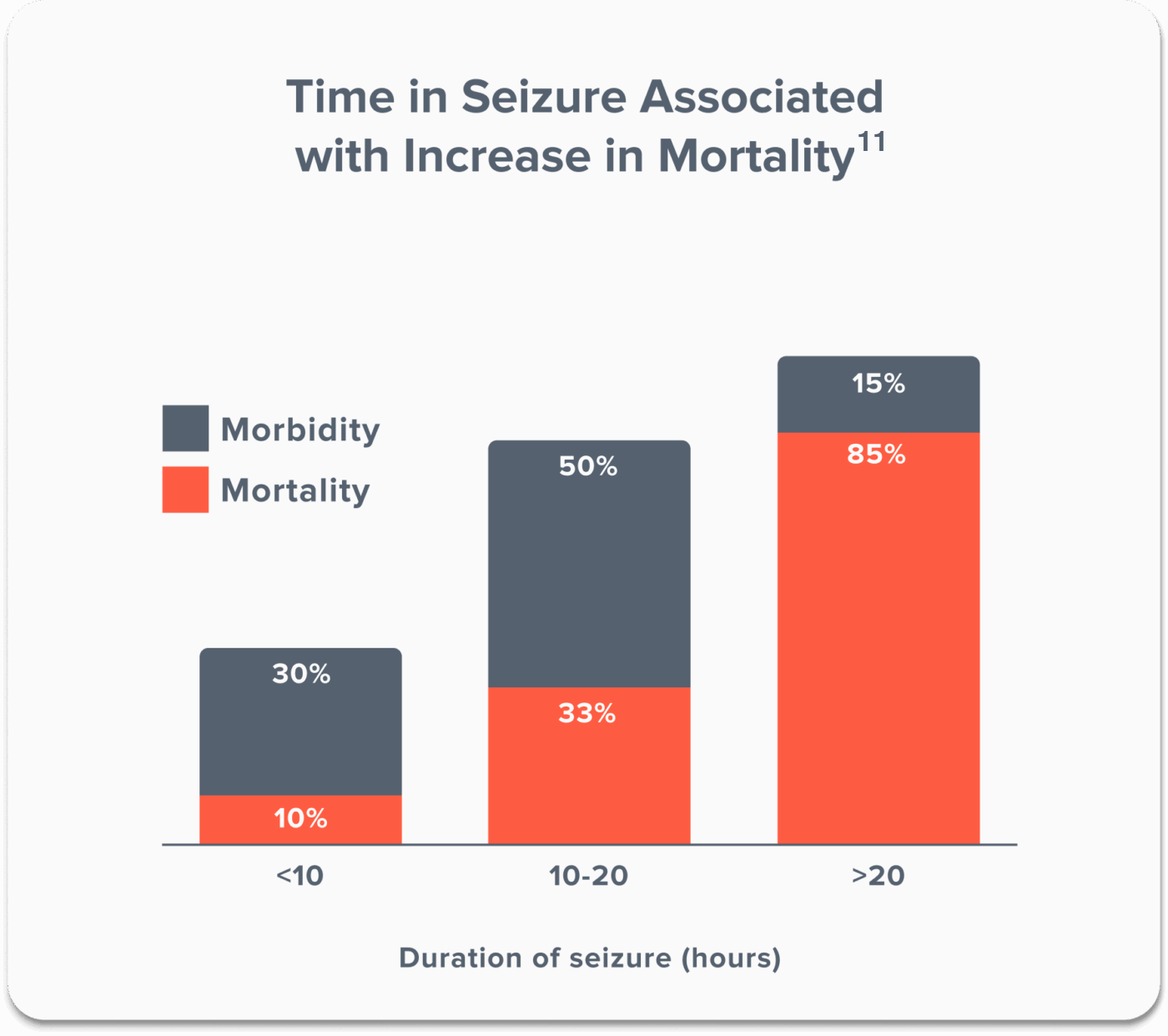
Up to 1/3 of neurological critical care patients are at risk for seizures, which may lead to permanent brain injury and increased risk of death. 5,6
— Indications for Emergent EEG —
Seizure Assessment7
- Recent convulsive seizure without return to baseline
- Episodic or repetitive movements concerning for seizure
- Seizure activity requiring active medication titration

Post-Cardiac Arrest8,9
- Post-ROSC without return to baseline/comatose
- 2023 AHA Class 1 guideline
- Sedated or TTM seizure monitoring

Altered Mental Status7
- Altered mental status without explanation
- Persistent altered state and acute brain injury
- Unresponsive to treatment of primary condition, especially sepsis, hepatic failure
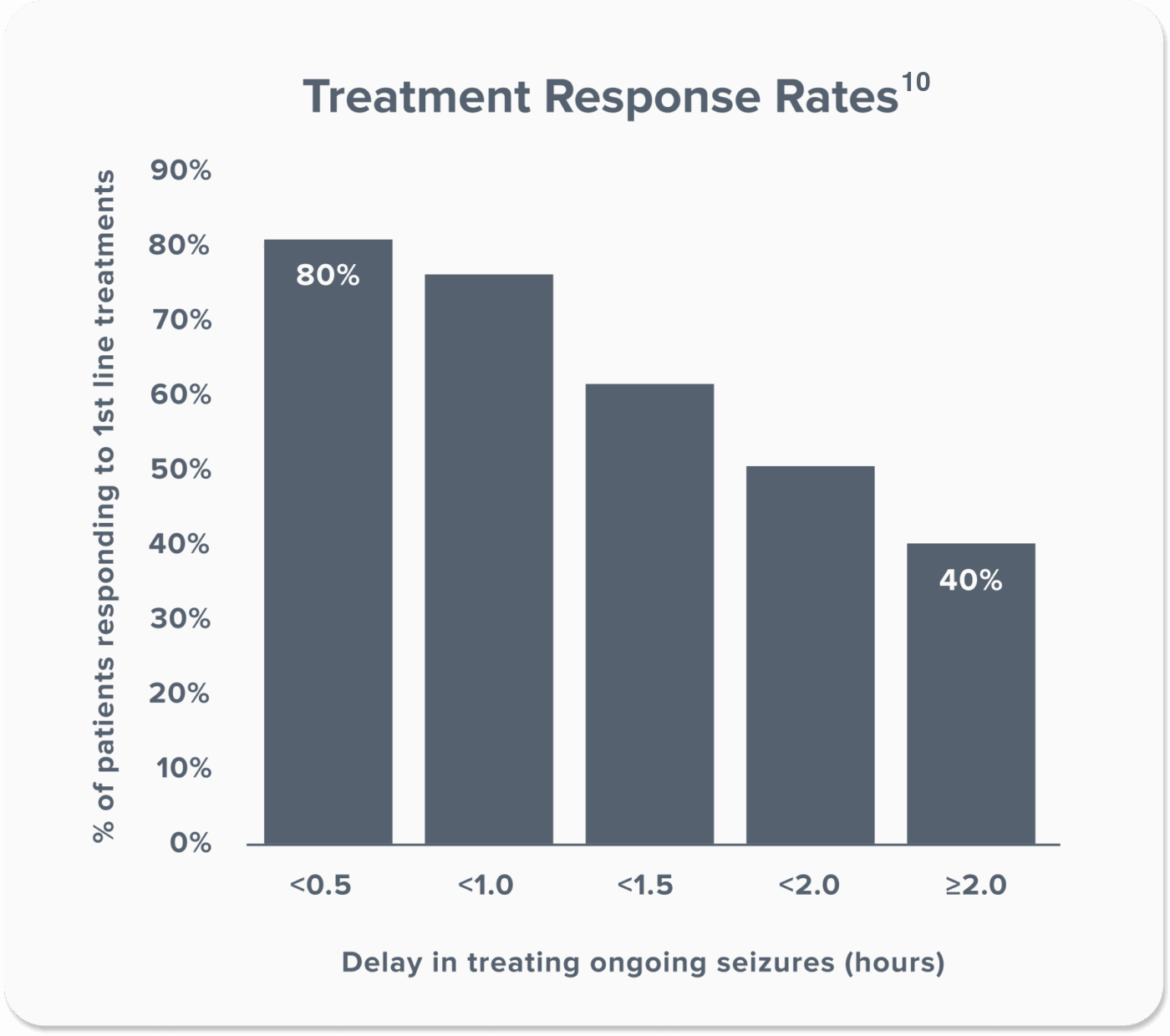
Time is Brain for Seizure Patients
Delirium
Recognizing and Monitoring Delirium Matters
Delirium is highly prevalent in ICU patients and leads to poor clinical and economic outcomes
Highly Prevalent
~31% of Intensive Care Unit patients12
Up to 80% of mechanically ventilated patients13
Poor Clinical Outcomes
60% more likely to develop dementia after surviving delirium in the ICU14
Each additional day of ICU delirium associated with a 10% increased risk of 6-month mortality13
High Economic Burden
2.2-days longer hospital LOS and $6,000 USD additional hospitalization costs (patients with acute respiratory failure)15
Each episode of delirium associated with up to $18,000 USD increased 30-day cumulative cost per visit16
Moving Beyond Traditional Delirium Assessments
Guideline Recommends Delirium Assessment in the ICU…
“Critically ill adults should be regularly assessed for delirium using a valid tool”17
“The Confusion Assessment Method for the ICU (CAM-ICU) and the Intensive Care Delirium Screening Checklist (ICDSC) are the most valid and reliable delirium monitoring tools in adult ICU patients”18
But These Assessments Fall Short
The “Snapshot” Problem: Twice a day static assessments may miss critical periods of brain dysfunction because delirium naturally waxes and wanes.
Patient Barriers: Assessments are often rendered unreliable by common ICU factors, such as deep sedation, acute neurological injuries, or language barriers between the patient and the nurse.19,20,21
Inconsistent Execution: Reliability of these tools is dependent on rigorous bedside training, regular documentation, and interprofessional rounding, processes that are frequently not completed.19,20,22,23
Missed Non-Convulsive Seizures: CAM-ICU and the ICDSC assessment cannot detect epileptiform abnormalities in the brain.
Ceribell: Clarity When It’s Critical
One Bedside Monitor. Two Vital Brain Insights.
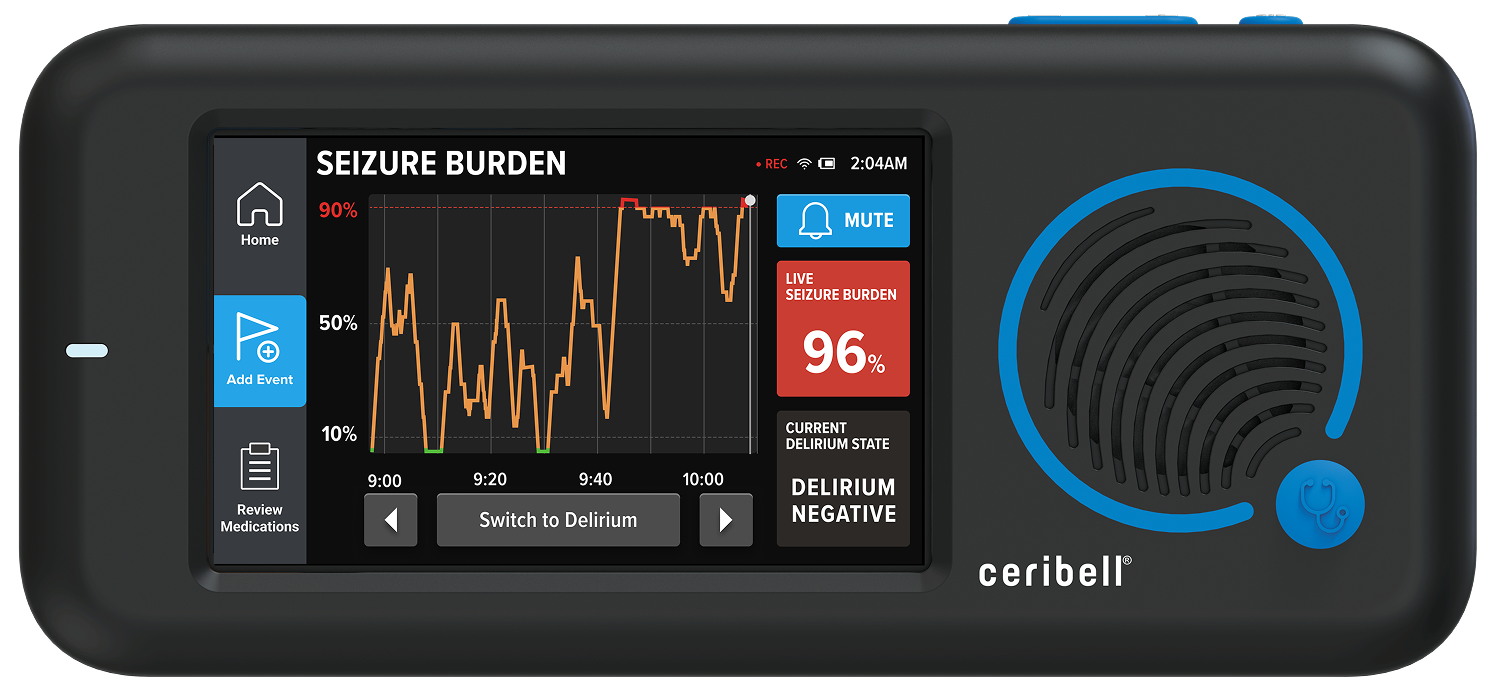
Continuous Seizure Monitoring and Alerts
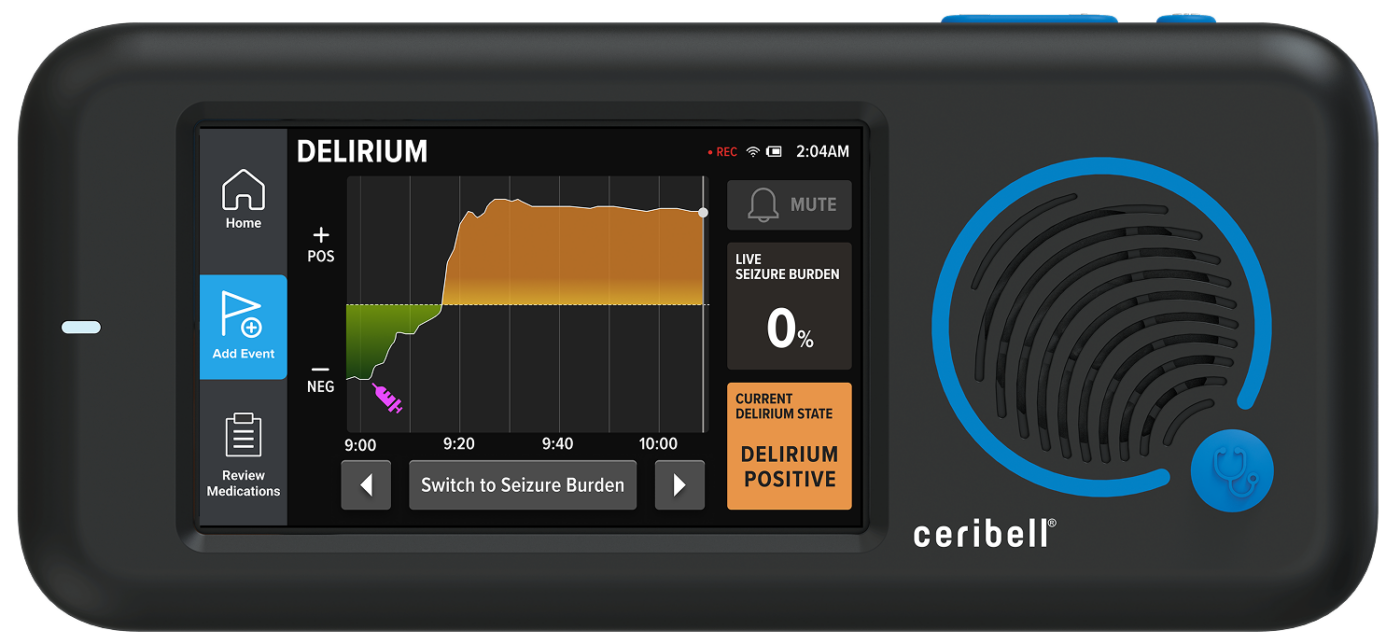
Delirium Screening and Monitoring
Remotely Review Patient Trends
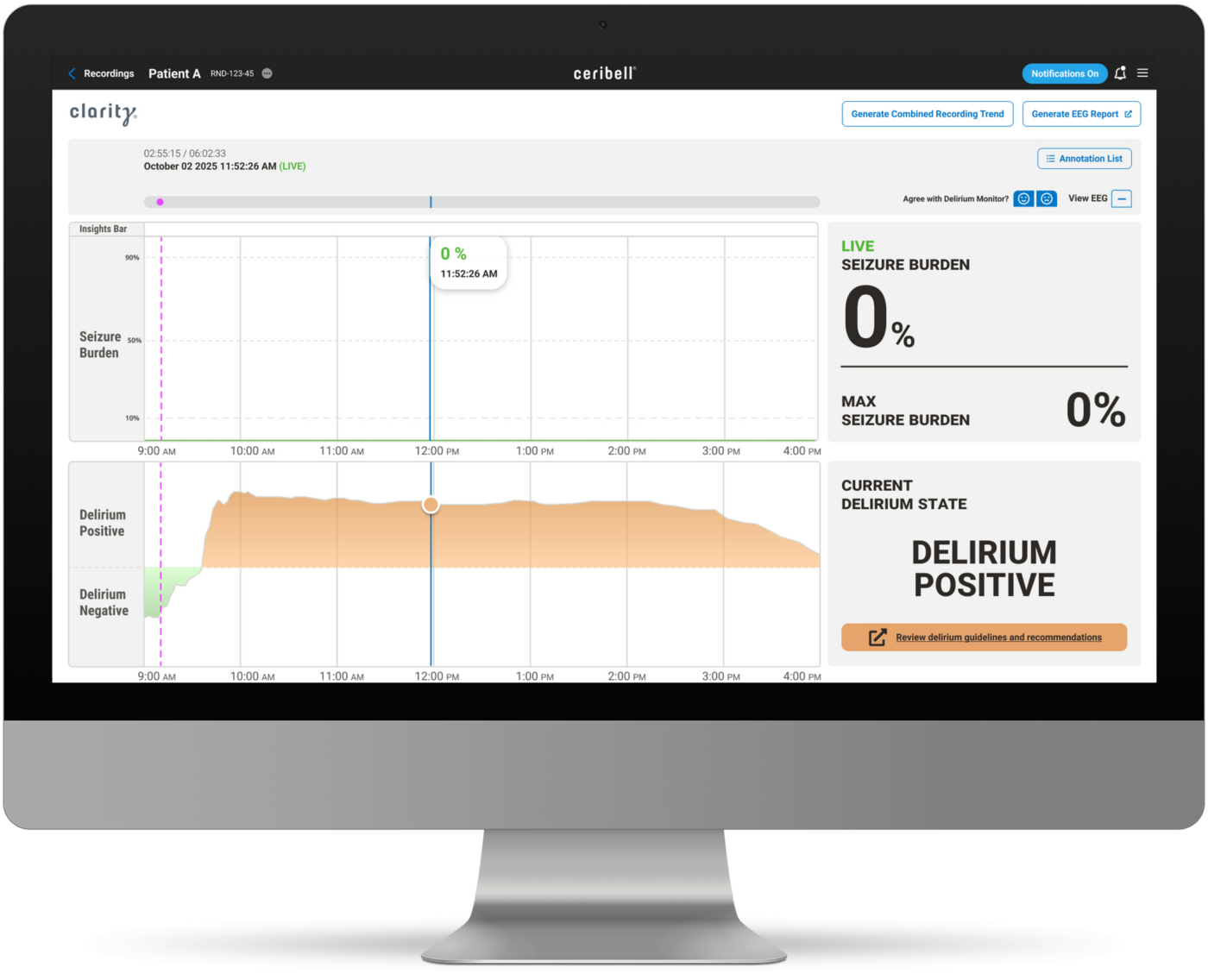
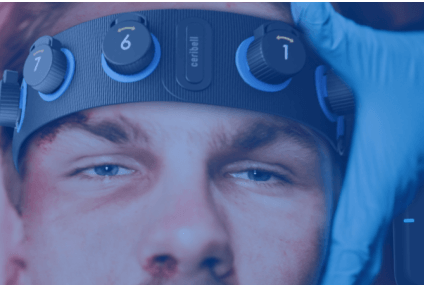
Rapid Bedside Brain Monitoring
Setup in minutes with minimal training for routine bedside assessment of two common neurological threats in the ICU
Take Out the Guesswork
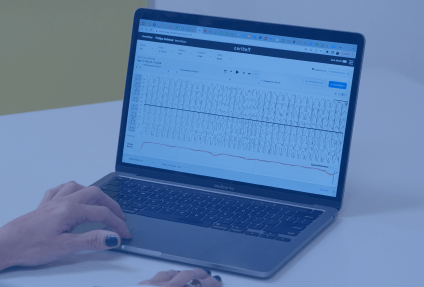
Access objective data needed to detect delirium and seizures and easy-to-interpret dual-indication insights to support clinical decision making
Capture the Fluctuation
Utilize artificial intelligence powered monitoring for real-time tracking of delirium and changes in subclinical seizure activity, including response to medications
New! CMS Grants NTAP for Ceribell Delirium Monitor
CMS (Centers for Medicare & Medicaid Services) granted a New Technology Add-on Payment (NTAP) for the Ceribell Delirium Monitor System.24 Eligible Medicare inpatient cases utilizing the system can receive up to $2,171 in incremental reimbursement.†
Ceribell® Indications, Safety & Warnings
Sign Up To Stay Connected.
Request a demo to see how Ceribell Brain Monitoring works. Fill out the form below to get started.
Over 680 Hospitals** Use Ceribell And Counting


Resources
Webinar

Dr. Stephan Mayer Webinar: Post Cardiac Arrest Guidelines and Neuromonitoring In the ICU
Watch Our WebinarWebinar
Webinar: Evidence-based Insights for Non-convulsive Seizure Triage & Management in Critical and Emergency Care
Watch Our WebinarWebinar