AI-Driven Brain Monitoring for Rapid and Informed Neurologic Care
Ceribell with Clarity® AI brings real-time EEG diagnostics to the bedside, enabling fast and accurate seizure detection as well as continuous monitoring of delirium to empower clinicians to make decisive and effective treatment choices.
One Bedside Monitor. Two Vital Brain Insights.
Identify Seizures1 and Delirium2 in minutes using the first and only device with FDA-cleared AI algorithms for monitoring both conditions.
Jump to a section
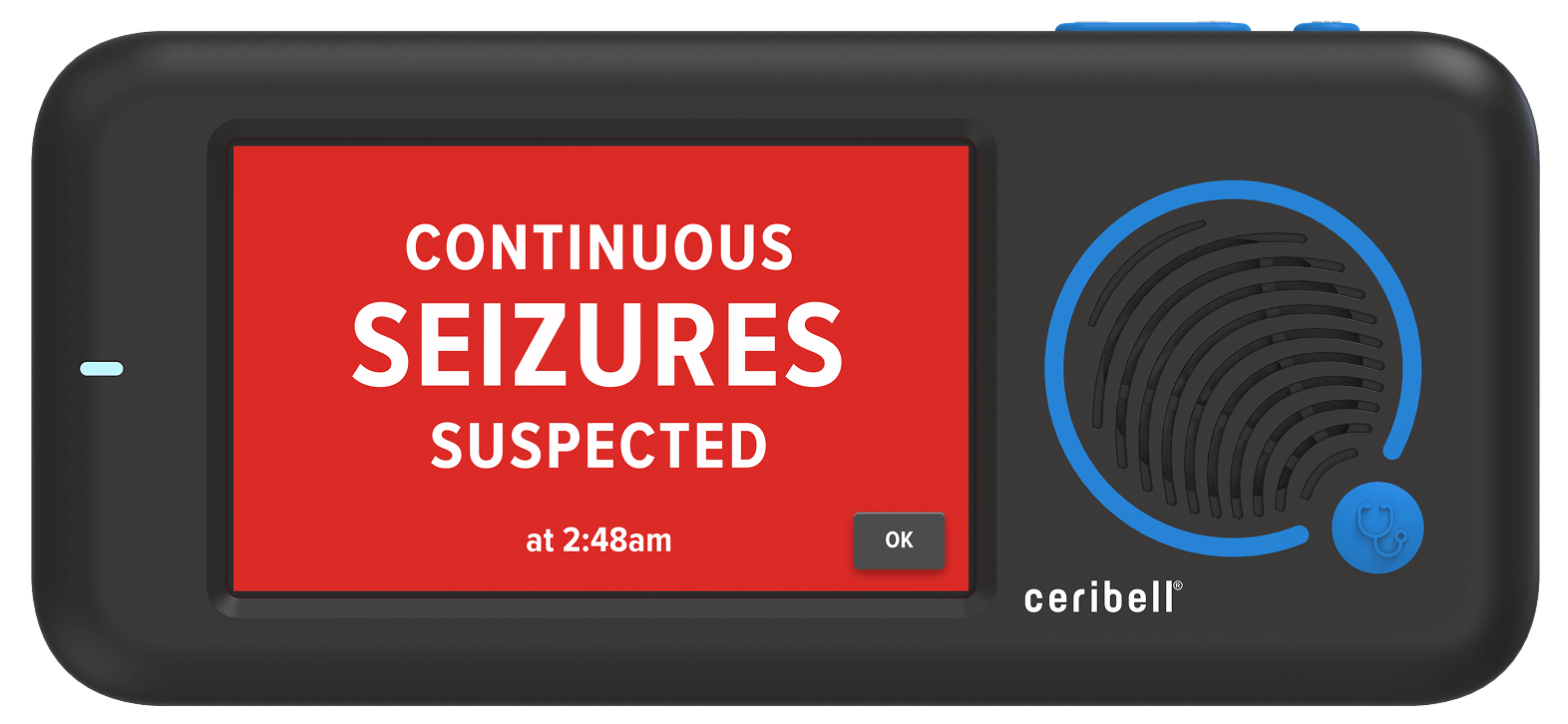
Clarity, the Ceribell machine learning algorithm, continuously interprets a patient’s EEG waveforms and displays actionable insights regarding seizure activity on the recorder, including automatic alerts in the event of suspected continuous seizure activity and non-convulsive status epilepticus.
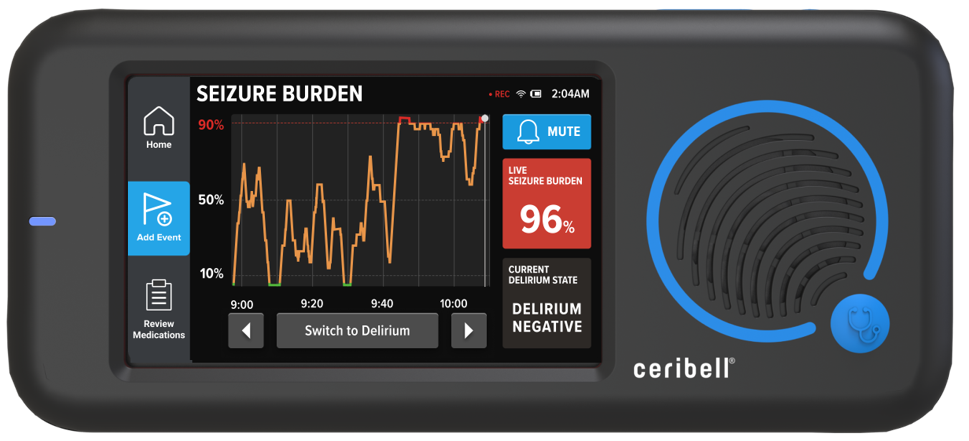
At the bedside, Clarity delivers 24/7 continuous EEG monitoring and alerts:
Remotely, Clarity provides:
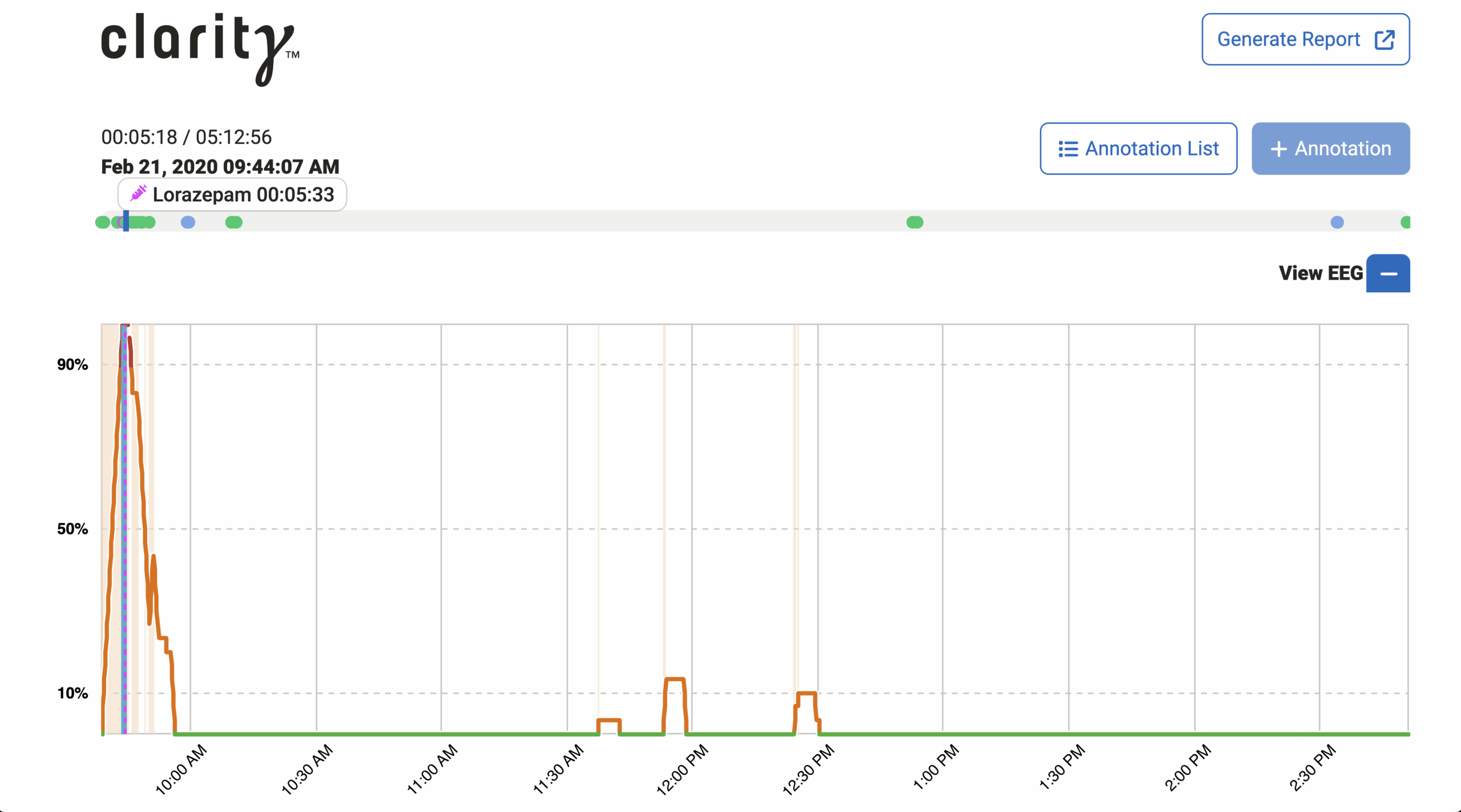
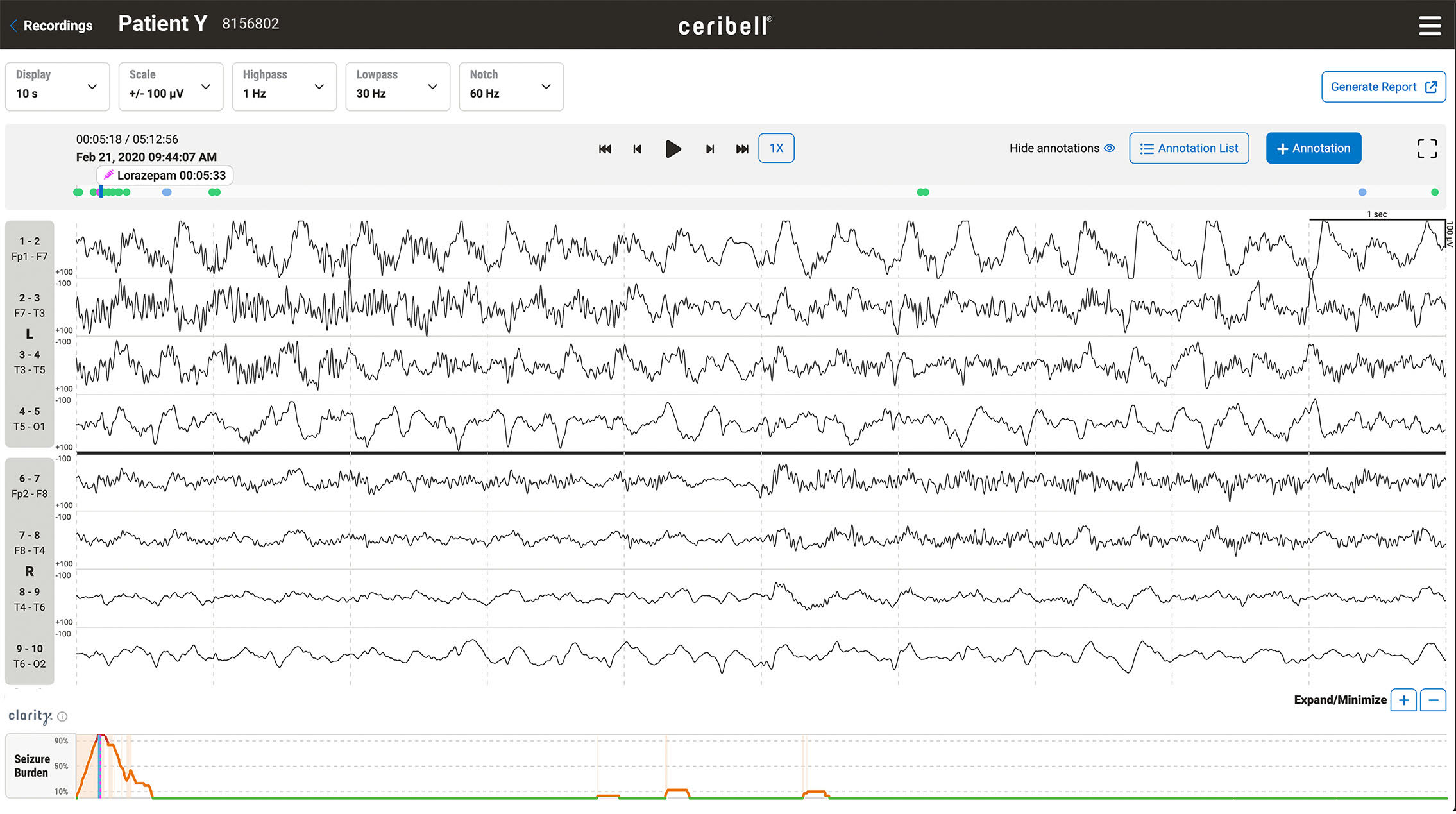
Seizure burden and EEG display with pre-annotations to support efficient EEG interpretation
Real-time Medication Effectiveness
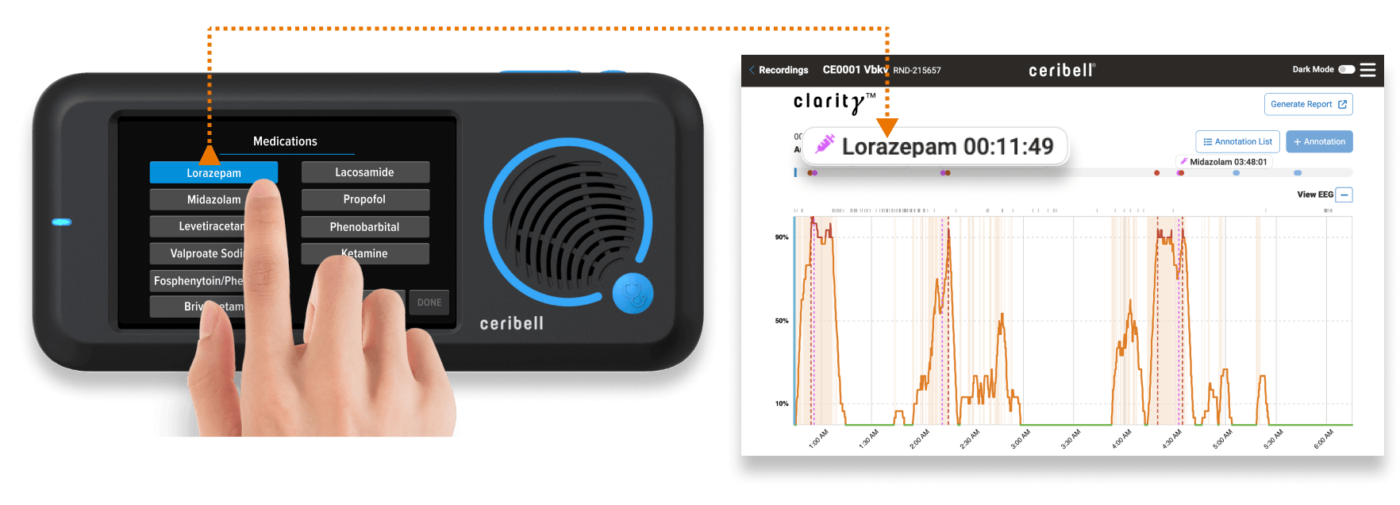
Easily annotate medications at the bedside with just a touch
Intuitive medication response monitoring can enable treatment optimization in real-time
How does Clarity work?
Clarity is a machine-learning, cloud-based AI algorithm that interprets the EEG every 10 seconds across all EEG channels to provide a seizure burden estimate.4
Seizure burden is the amount of seizure activity detected in the prior 5-minute window. Prolonged seizures, such as status epilepticus, which is associated with poor neurological outcomes, display a high seizure burden.
Key Features and Capabilities
- Automatically detects suspected status epilepticus at the bedside
- Continuously monitors the EEG for seizure burden
- Trained on thousands of EEGs annotated by epileptologist experts and is continuously improving
- Studies generally demonstrate that the Clarity algorithm is specific and sensitive in detecting non-convulsive seizures and status epilepticus5-7
Practical Considerations
- EEG offers one component of diagnostic insight. The decision to administer treatment, or not, should consider the combination of clinical history, patient presentation, and objective data.
- Inter-rater variability of EEG diagnoses is well documented among expert readers. Since Clarity AI is trained based on expert input, a degree of inter-rater variability between Clarity AI’s output and the interpretation of the same case by a skilled neurologist should be expected.
- The capability and accuracy of the Clarity AI continues to improve with increased training on a growing volume of cases.
- Clarity AI is designed as an acute care tool to measure the overall burden of seizures, rather than detailed labeling of each individual epileptiform event4, since the cumulative impact of seizure activity has greater impact on acute patient management and prognosis.8,9
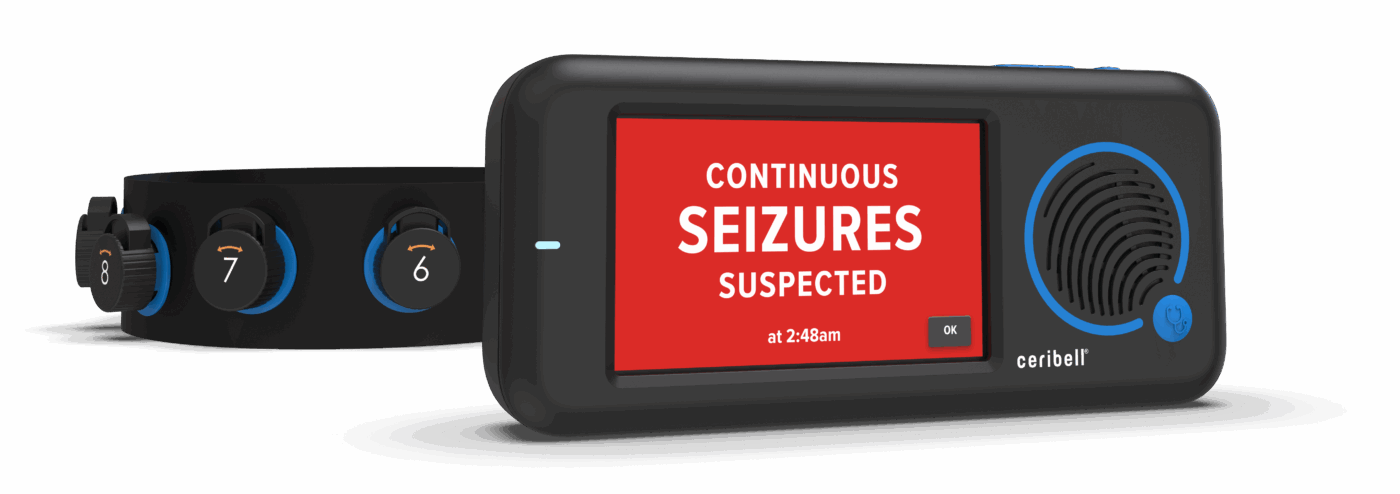
In adults, pediatrics and neonates, Clarity is validated to consistently alert to and rule out suspected continuous seizures5-7,10 – on par with top epileptologists11
At the bedside, Clarity delivers an objective assessment of delirium:
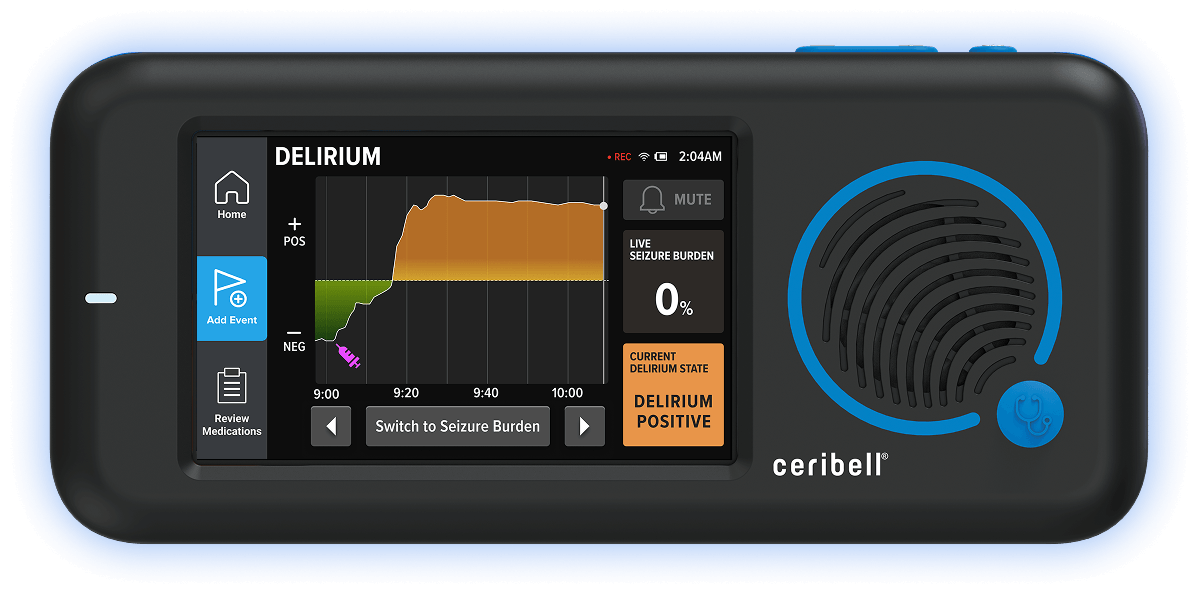
Continuous trendline showing prevalence of EEG features associated with delirium
Remotely, Clarity provides:
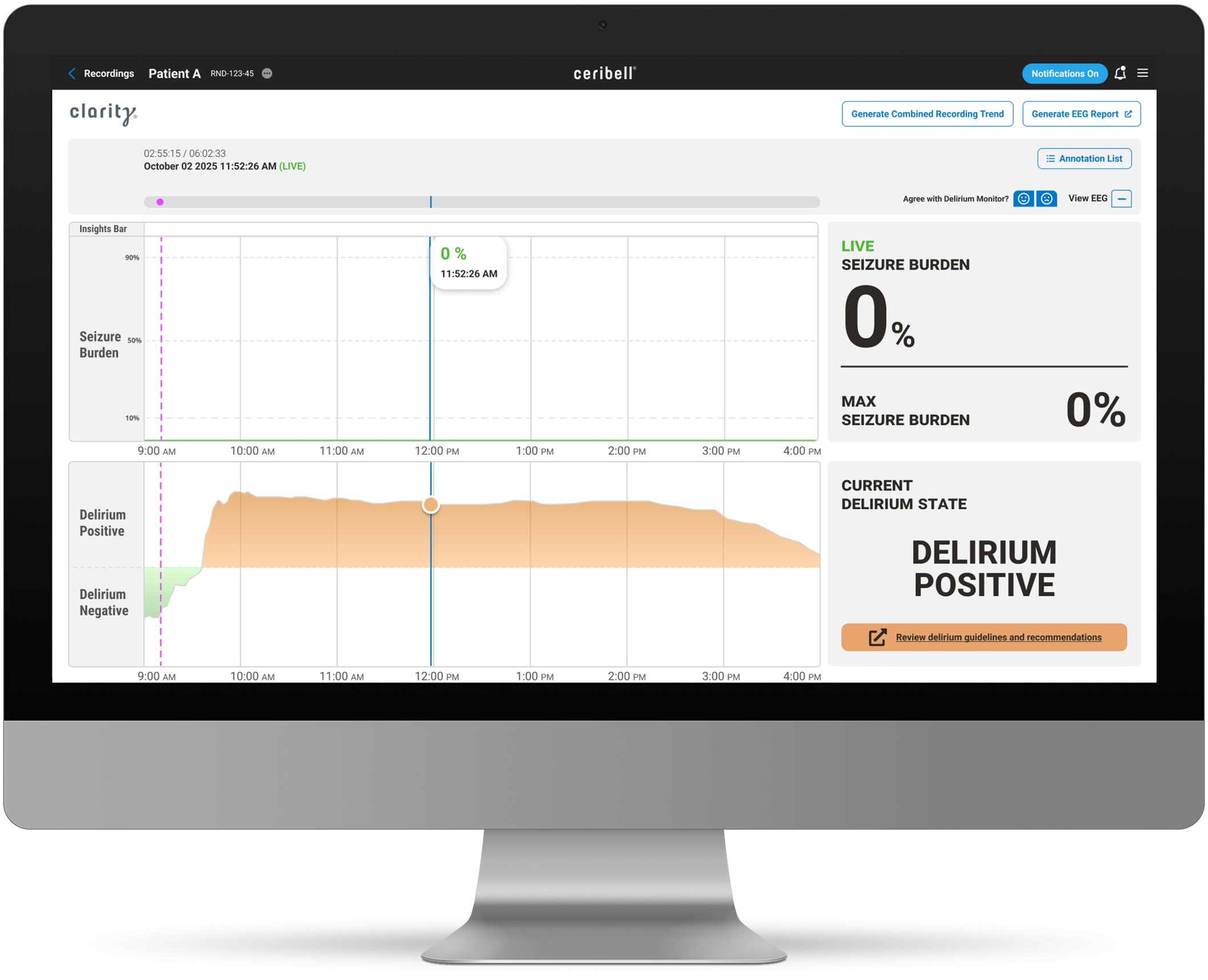
Delirium trend with pre-annotated insights to support efficient interpretation and timely clinical decisions
How does Clarity monitor delirium?
Clarity’s delirium algorithm is a machine learning model that analyzes quantitative EEG features to provide an automated, objective assessment of delirium state. The algorithm evaluates EEG segments and produces a score that reflects the prevalence of biomarkers associated with delirium. This score is updated every 10 seconds.
Key Features and Capabilities
- Continuous, objective delirium assessment (not a twice-daily CAM-ICU snapshot)
- Dual-indication, concurrent insights with delirium and seizure monitoring, on the same device and portal
- Medication response tracking to support real-time treatment optimization
New! CMS New Technology Add-on Payment (NTAP) for Delirium Monitoring
CMS (Centers for Medicare & Medicaid Services) granted a New Technology Add-on Payment (NTAP) for the Ceribell Delirium Monitor System.16 Eligible Medicare inpatient cases utilizing the system can receive up to $2,171 in incremental reimbursement.*
Delirium affects approximately 30% of ICU patients and is linked to longer hospital stays, increased mortality, and long-term cognitive decline.12-15
Learn more about delirium’s clinical impact in the ICU →

Sign Up To Stay Connected.
Request a demo to see how Ceribell Brain Monitor works. Fill out the form below to get started.
Resources
PAGE

Ceribell is the FIRST critical care monitoring and neurodiagnostic device to achieve both FDA Breakthrough Designation and a New Technology Add-on Payment (NTAP) code from CMS
Learn MorePRODUCT
In The News
References and Citations
1. FDA 510k Clearance Letter K241589
2. FDA 510k Clearance Letter K251936
3. FDA 510k Clearance Letter K252070
4. Kamousi, B., et al. (2021) Neurocrit Care. 34:908-917
5. Parvizi, J., et al. (2025) AES Abstract 2.457
6. Gupta, A., et al. (2025) AES Abstract 3.204
7. Anand, S., et al. (2025) AES Abstract 2.42
8. De Marchis, G.M., et al. (2016) Neurology. 86(3):253-260
9. Payne, E.T., et al. (2014) Brain. 137(5):1429-1438
10. Puranik, T., et al., (2025) Neurocritical Care Society Annual Meeting Poster
11. Internal analysis on the Puranik, T., et al., (2025) Neurocritical Care Society Annual Meeting Poster dataset. Individual reviewer’s performance was estimated on each subset reviewed. The final Clarity performance reported is the average across all the subsets
12. Taha A., et al. (2023) Medicine (Baltimore). 102(2):e32652
13. Krewulak, K.D., et al. (2018) Crit Care Med. 46(12):2029-2035
14. Ely, E.W., et al. (2004). JAMA. 291(14):1753–62
15. Wang, S. et al. (2024) Alzheimers Dement, 20(1), 278-287
16. CMS FY 2027 IPPS Final Rule. CMS-1849-F, 91 Fed. Reg. 49742-49745, Aug. 4, 2026
*Taking effect October 1, 2026.