Guidelines and Recommendations for Neonatal and Pediatric Seizure Management
ACNS, AAP, ILAE, PCC, and AHA recommend EEG or use of seizure burden for neonatal and/or pediatric patients at risk
Neonate Recommendations & Statements

Continuous EEG Accuracy
“We suggest cEEG use in neonates to improve accuracy of seizure diagnosis in clinically suspected seizures, as compared with clinical observation alone, aEEG alone, or routine/spotEEG.”
Seizure Screening
“We suggest cEEG use to monitor neonates at risk for seizure in the absence of clinically evident seizures.”
2025 ACNS Guideline on Indications for Continuous Electroencephalography Monitoring in Neonates1

Continuous EEG Use
“Continuous neuromonitoring is imperative for all neonates with HIE undergoing therapeutic hypothermia for the timely detection and treatment of seizures.”
2026 Clinical Report on Therapeutic Hypothermia for Neonatal Hypoxic-Ischemic Encephalopathy²

Use of Seizure Burden
“Electrographic seizure burden and seizure frequency may impact the treatment approach, but the presence or absence of clinical signs should not.”3
“Treating neonatal seizures (including electrographic-only seizures) to achieve a lower seizure burden may be associated with improved outcome.”4
2021 & 2023 ILAE Position Papers Task Force on Neonatal Seizures3,4
Pediatric Guidelines & Statements
“If a patient is not showing clear signs of improvement [in] alertness within 10 minutes or still has any impairment of consciousness for more than 30 minutes after cessation of motor or other clinically-evident seizure activity, CCEEG should be considered to assess for ongoing seizure activity.”
2015 ACNS Continuous Statement on Continuous EEG in Critically Ill Adults and Children5

“Evidence supports considering [cEEG] use throughout the management course, particularly when neuromuscular blockade is used.”
2019 PCCM Consensus and Guidelines for Pediatric Severe TBI Management6

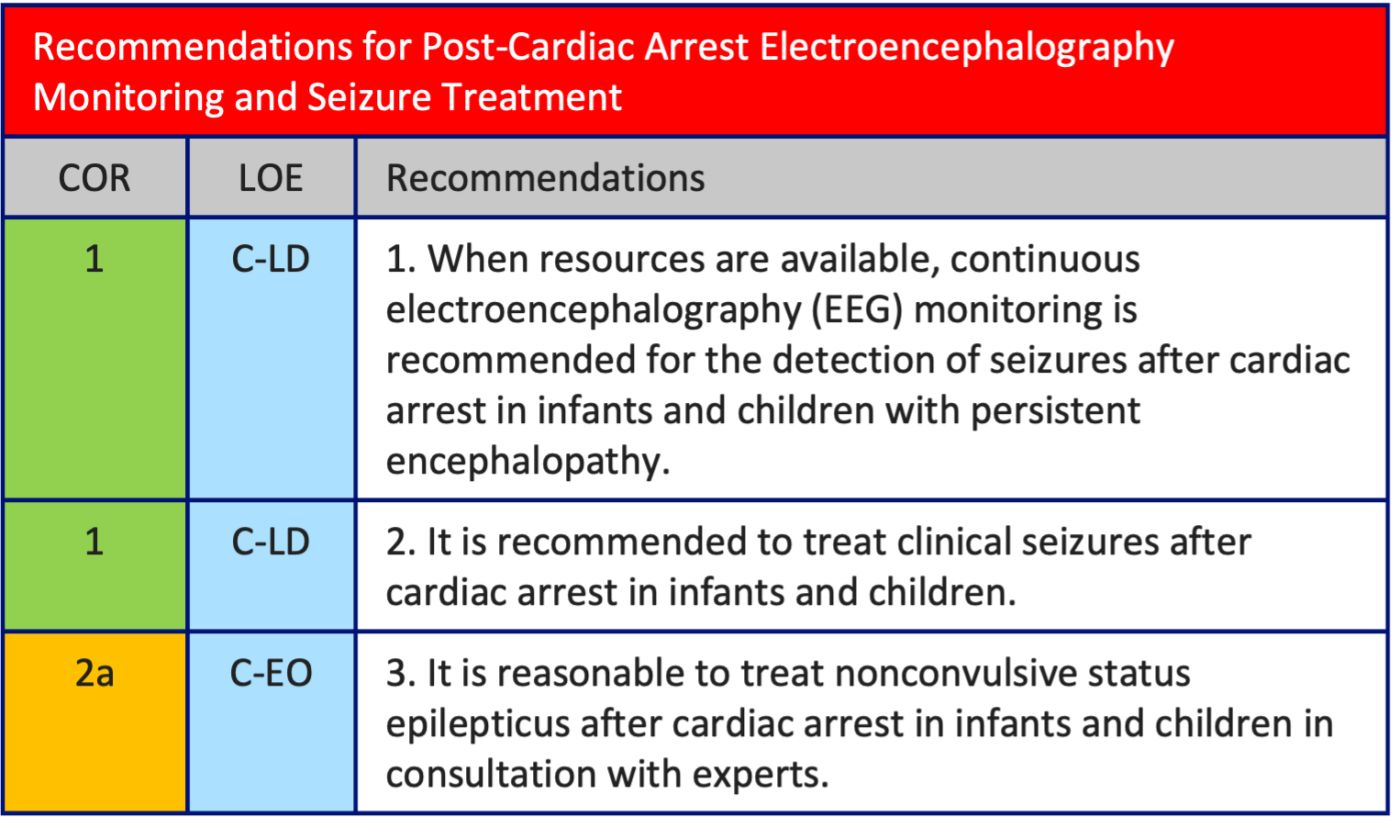
cEEG is “recommended for detection of seizures after cardiac arrest in infants and children with persistent encephalopathy.”
2025 Pediatric Advanced Life Support Guidelines (Class I Recommendation)7
2025 ACNS Guideline on Indications for Continuous Electroencephalography Monitoring in Neonates1

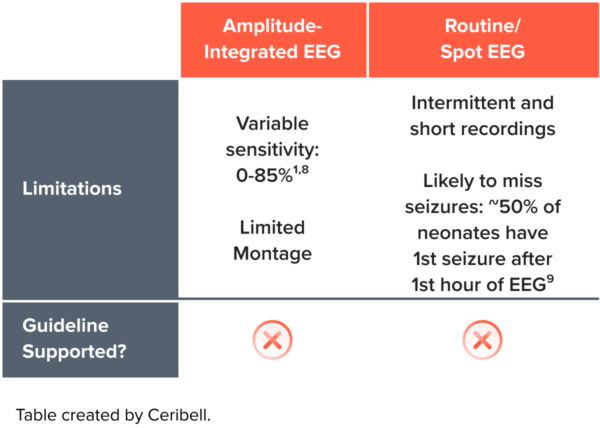
“We suggest cEEG use in neonates to improve accuracy of seizure diagnosis in clinically suspected seizures, as compared with clinical observation alone, aEEG alone, or routine/spot EEG.”

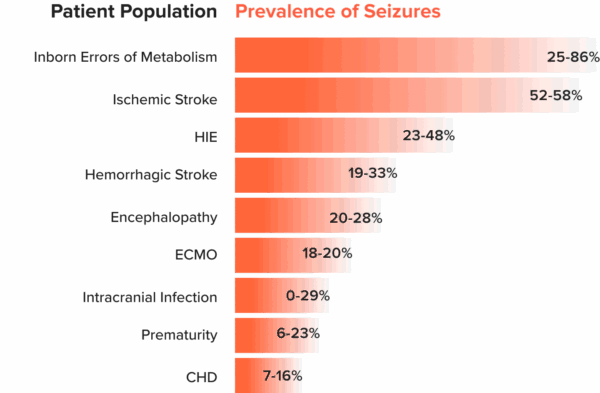
“We suggest cEEG use to monitor neonates at risk for seizures in the absence of clinically evident seizures.”
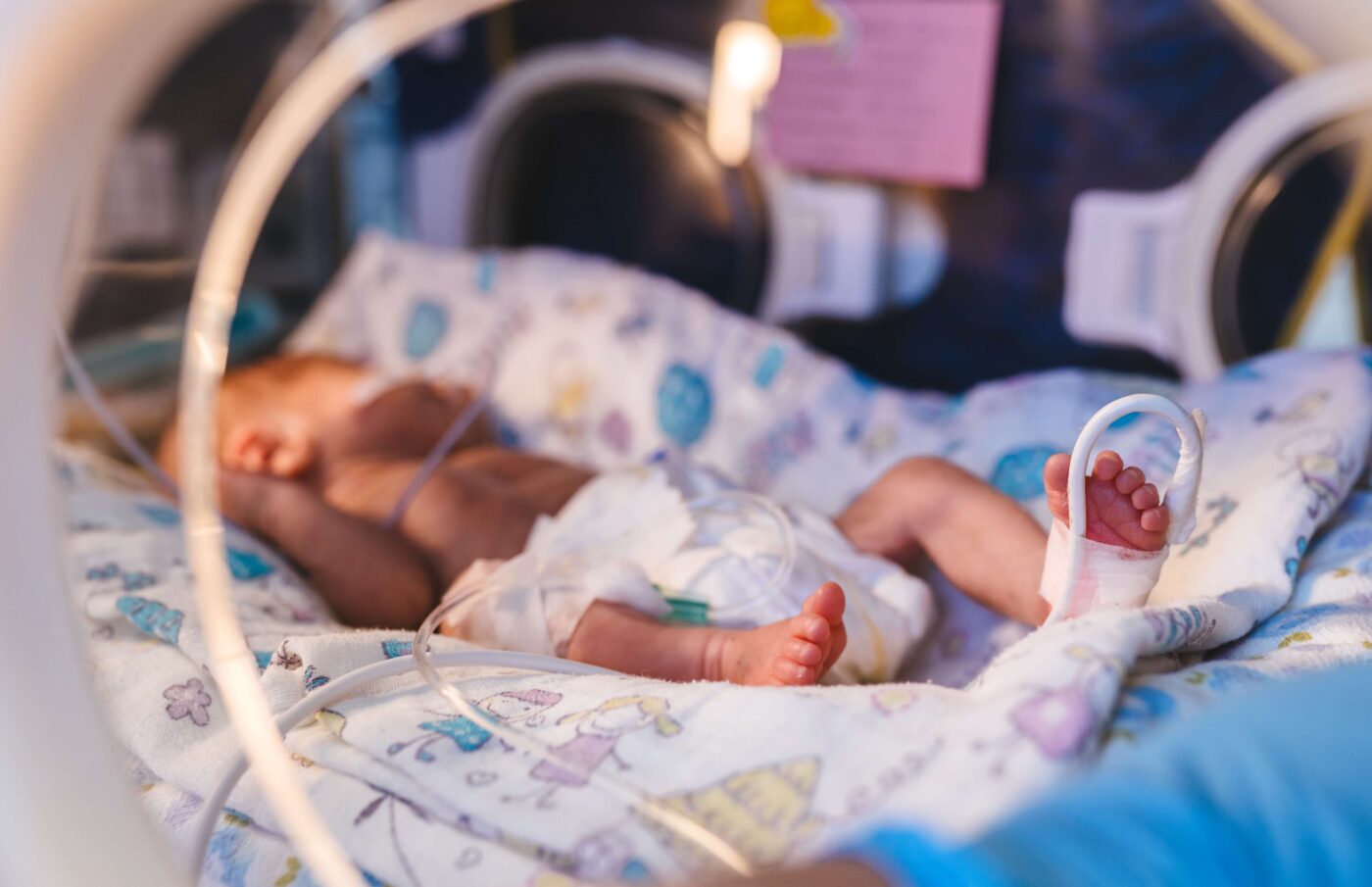

2026 Clinical Report on Therapeutic Hypothermia for Neonatal Hypoxic-Ischemic Encephalopathy2
“Continuous neuromonitoring is imperative for all neonates with HIE undergoing therapeutic hypothermia for the timely detection and treatment of seizures.”
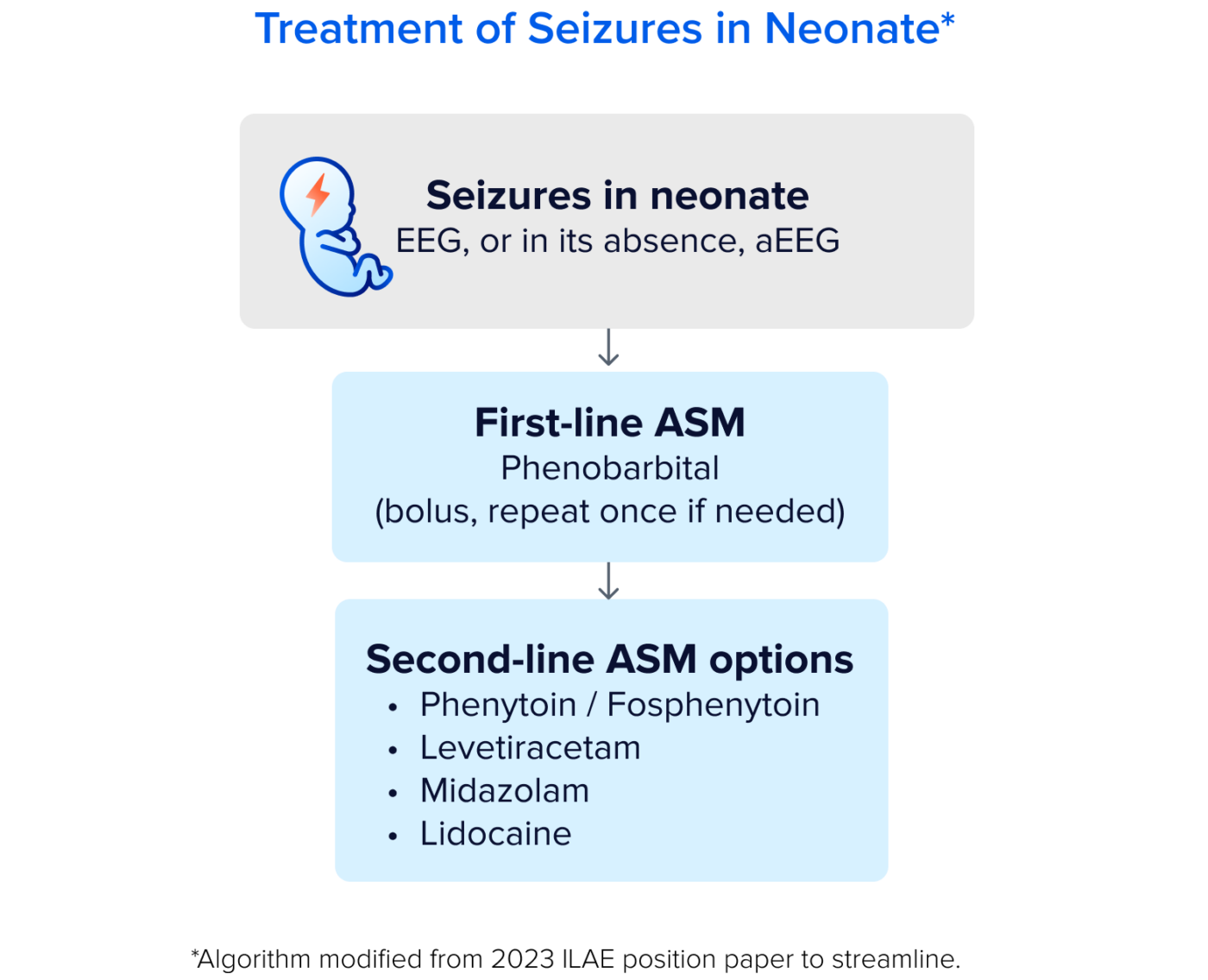
2021 & 2023 ILAE Position Papers Task Force on Neonatal Seizures3,4
“Electrographic seizure burden and seizure frequency may impact the treatment approach, but the presence or absence of clinical signs should not.”
“Treating neonatal seizures (including electrographic-only seizures) to achieve a lower seizure burden may be associated with improved outcome.”
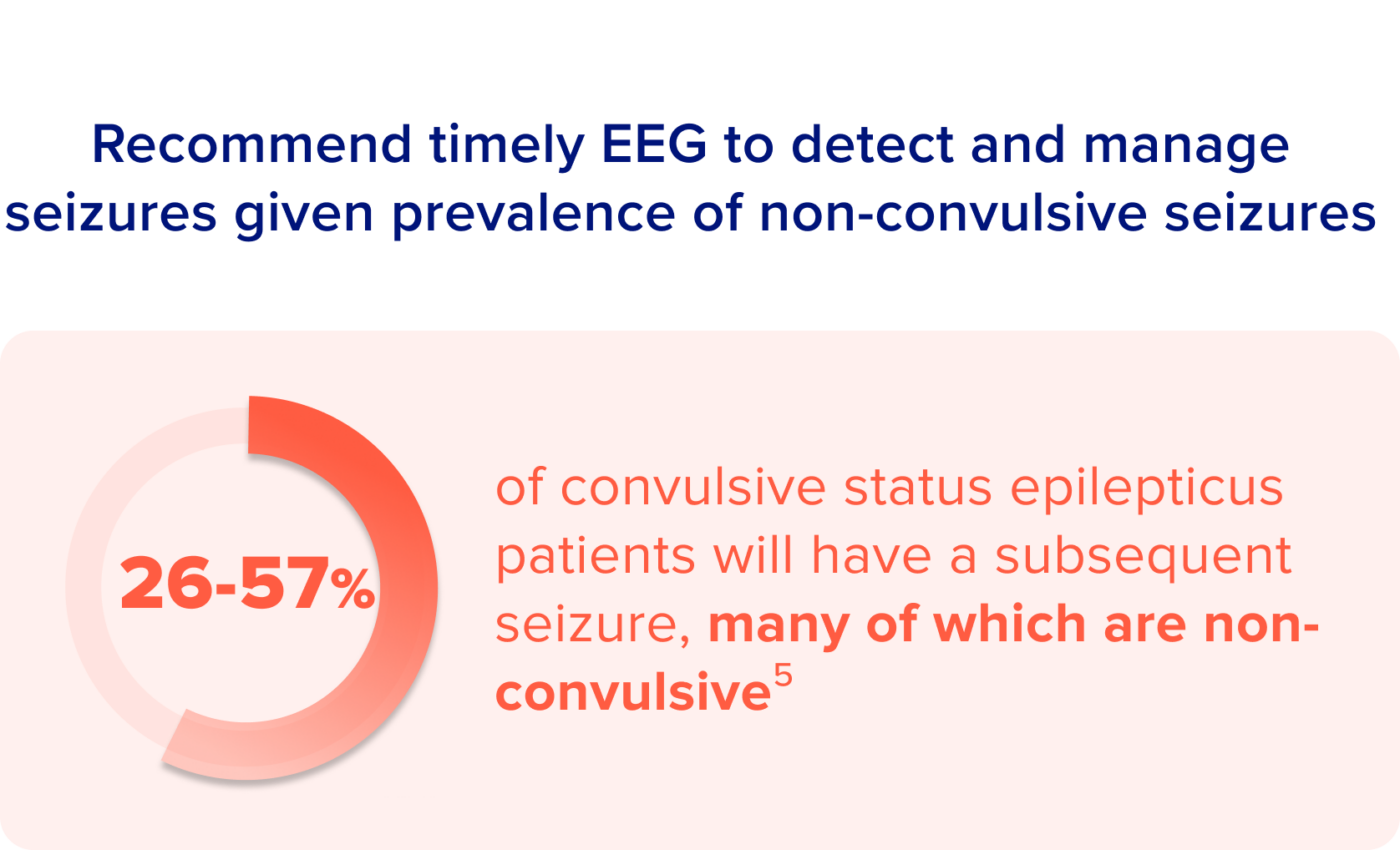
2015 ACNS Consensus Statement on Continuous EEG in Critically Ill Adults and Children5
“If a patient is not showing clear signs of improvement [in] alertness within 10 minutes or still has any impairment of consciousness for more than 30 minutes after cessation of motor or other clinically-evident seizure activity, CCEEG should be considered to assess for ongoing seizure activity.”
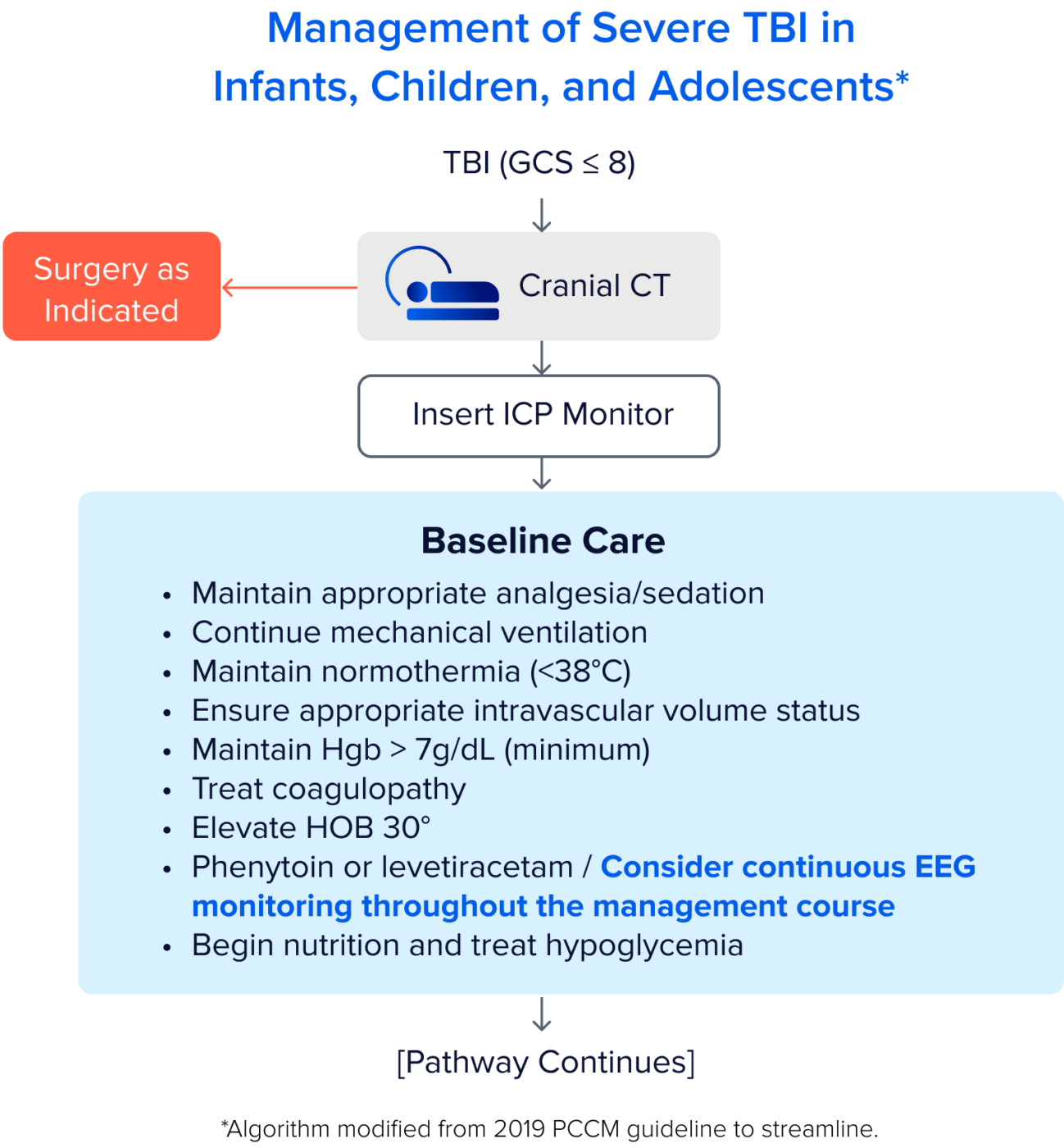
2019 PCCM Consensus and Guidelines for Pediatric Severe TBI Management6
“Evidence supports considering [cEEG] use throughout the management course, particularly when neuromuscular blockade is used.”