
Delirium Matters

Why Delirium Matters
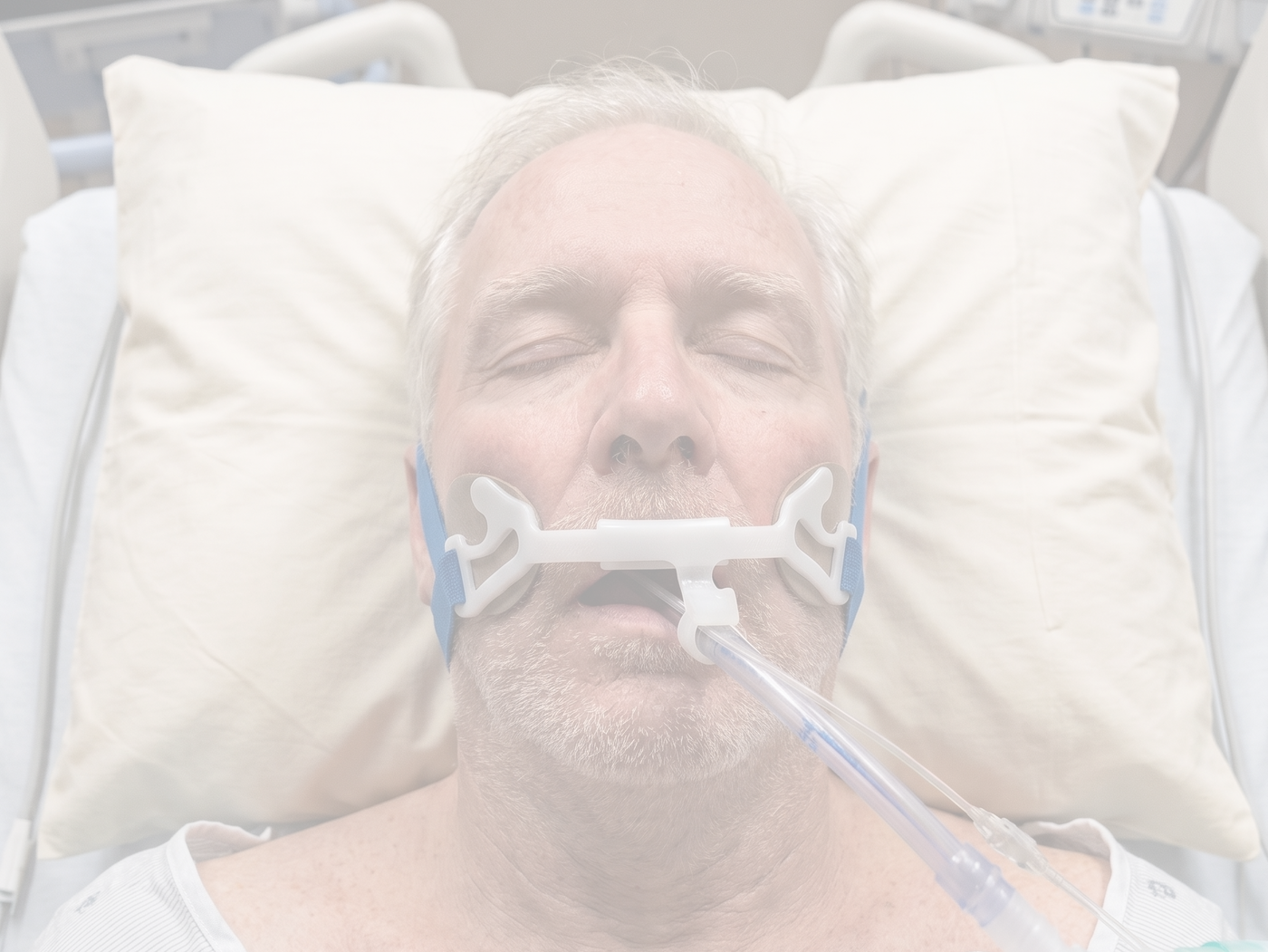
The effects of delirium don’t end at ICU discharge. More than 30% of ICU survivors who experienced delirium went on to have long-term cognitive impairment,1 and their risk of dementia increased by as much as 60%.2
Separating Delirium from Seizures
Delirium and nonconvulsive seizures often look the same at the bedside, and telling them apart matters for treatment. Only EEG monitoring can reliably distinguish them.
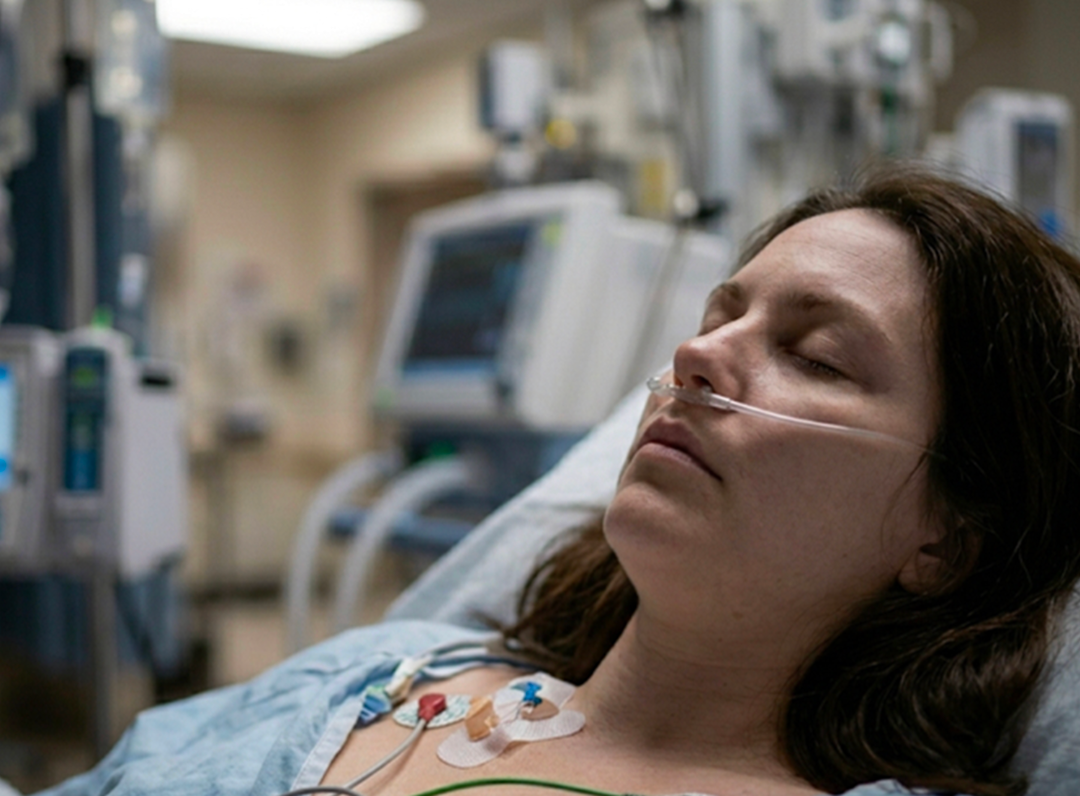
Featured Case Study: A 35-year-old woman with sepsis showed clear clinical signs of delirium, positive on two separate CAM-ICU assessments. The bedside team had no way to see what was happening in her brain until EEG, reviewed after the fact, told a different story.
Continuous Delirium Monitoring
The American Delirium Society’s newsletter featured an article by Dr. John Devlin, chair of the SCCM 2018 Pain, Agitation, Delirium, Immobility, and Disrupted Sleep (PADIS) clinical practice guidelines, on the potential role of continuous EEG monitoring for delirium in the ICU.
Read the article in the ADS newsletter →
(Note: Dr. Devlin’s article is at the bottom of the newsletter)
One Bedside Monitor. Two Vital Brain Insights.
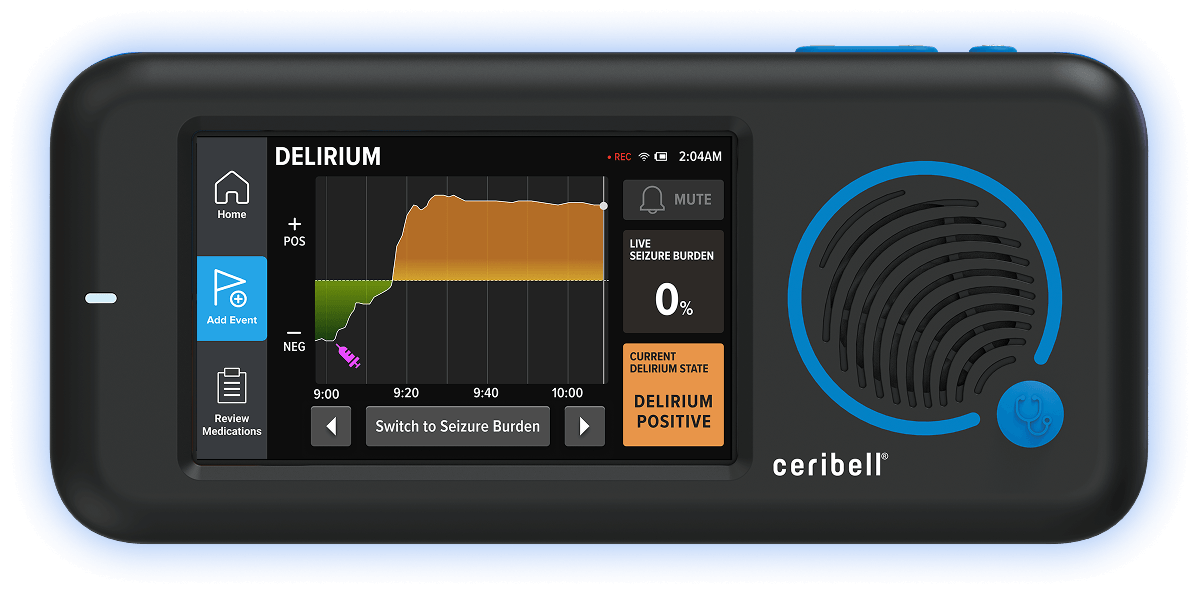
Ceribell empowers ICU teams to detect and rule out seizures while simultaneously monitoring delirium, helping to minimize the risk of misdiagnosis, with multiday trending to track intervention effectiveness and changes in seizure activity.
Discover how Ceribell monitors for delirium and detects seizures →
Want to Learn More?
Request More Information
Medicare Reimburses Ceribell’s Delirium Monitor System
Starting October 1, 2026, hospitals adopting Ceribell’s Delirium Monitor System may qualify for the CMS New Technology Add-on Payment (NTAP), a Medicare payment of up to $2,171 per eligible qualifying patient case.
Patient & Family Resources from the American Delirium Society
Learn how to support your loved ones and find resources that help